
Views: 0 Author: Site Editor Publish Time: 2025-12-15 Origin: Site


Is the air you're breathing as clean as it should be? As pollution levels rise, purifying the air has never been more important. Honeycomb activated carbon, a powerful material in air filtration, offers an efficient way to improve air quality.
In this article, we will explore the benefits of honeycomb activated carbon, how it compares to other filtration materials, and why it's essential for both residential and industrial air purifiers. You'll learn how to select, maintain, and maximize the effectiveness of these filters in improving the air you breathe.
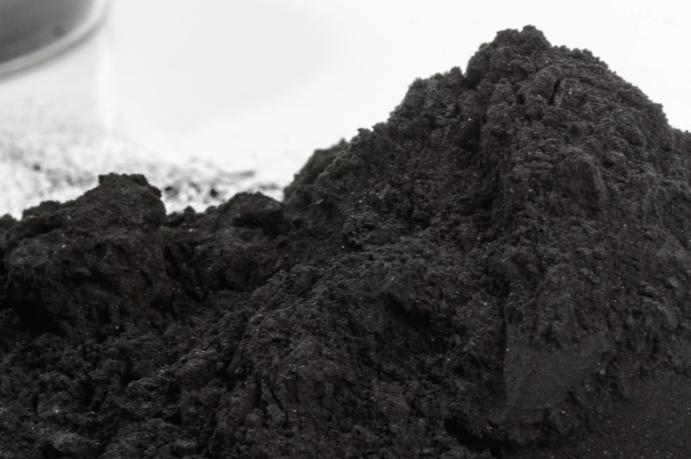
Honeycomb activated carbon is a highly efficient material used in air filtration systems. Its unique structure, made up of a network of interconnected channels, allows for an extensive surface area, making it ideal for trapping airborne pollutants. The key feature of honeycomb activated carbon is its ability to adsorb gases, odors, and harmful chemicals, which makes it especially valuable in both residential and industrial air purifiers.
The structure of honeycomb activated carbon enables better airflow than other types of activated carbon. This means air can pass through the filter more easily, allowing for quicker filtration and better adsorption of harmful particles. This efficiency in both gas removal and airflow makes honeycomb activated carbon a superior choice for air filters. Ensure that your air purifier is equipped with honeycomb activated carbon if you are dealing with persistent odors or chemical pollutants. Its superior adsorption capabilities will significantly enhance the air quality in various environments, whether it’s your home or a commercial space.
The process of adsorption involves pollutants like gases and vapors adhering to the surface of the activated carbon. Honeycomb activated carbon is especially effective in adsorbing volatile organic compounds (VOCs), smoke, and other airborne toxins. This makes it ideal for use in environments where air quality is a priority, such as homes, offices, and industrial facilities. Its porous surface allows for the efficient capture of a wide range of pollutants, significantly improving the air you breathe.
Honeycomb activated carbon is designed for high surface area and low air resistance. The honeycomb structure allows air to flow freely through the filter while maintaining a large contact area for adsorbing gases and particles. This results in a more efficient filter that can handle larger volumes of air without clogging. This structure makes honeycomb activated carbon an optimal choice for systems that require high filtration capacity without sacrificing airflow or energy efficiency.
Granular activated carbon (GAC) is a common alternative, but it doesn't perform as well in high airflow situations. GAC may also cause higher pressure drops in air systems, reducing efficiency. Honeycomb activated carbon’s design minimizes these drawbacks, making it better suited for high-demand applications such as industrial air filtration and commercial HVAC systems. When choosing between honeycomb activated carbon and granular activated carbon, consider the airflow needs of your system. Honeycomb is the better choice for systems that need high efficiency without sacrificing airflow, as it will provide consistent and effective filtration over time.
To better understand the differences between honeycomb activated carbon and granular activated carbon, here's a quick comparison table:
| Property | Honeycomb Activated Carbon | Granular Activated Carbon (GAC) |
|---|---|---|
| Surface Area | High due to honeycomb structure | Moderate |
| Airflow Resistance | Low, allows for better airflow | Higher, can reduce airflow |
| Efficiency in High Airflow | High, better for large systems | Moderate |
| Common Use | Air purifiers, industrial | Household air purifiers |
| Size and Shape Flexibility | Customizable, efficient design | Less flexible |
| Price | Higher cost | Lower cost |
Adsorption is the process where pollutants like gases and vapors adhere to the surface of the activated carbon. Honeycomb activated carbon’s large surface area allows it to trap more contaminants per unit volume than other types of carbon. The unique honeycomb shape enhances this effect by allowing more air to pass through the carbon’s surface area, optimizing the filtration process. This makes honeycomb activated carbon ideal for efficiently removing both particulate matter and chemical pollutants from the air.
Honeycomb activated carbon is effective at removing:
| Type of Contaminant | Examples | Filter Effectiveness |
|---|---|---|
| Volatile Organic Compounds | Paints, cleaning products, solvents | Highly effective |
| Odors | Cooking smells, pet odors, smoke | Very effective |
| Chemical Fumes | Industrial fumes, household chemicals | Effective |
| Gases | VOCs, formaldehyde, ammonia | Highly effective |
This makes it ideal for both residential and commercial air purifiers. Its ability to adsorb a variety of gases, chemicals, and odors is one of the main reasons why it is widely used in air filtration systems across various industries.
To optimize the performance of honeycomb activated carbon filters, it is important to balance airflow with adsorption capacity. A filter with too many pores may slow down the airflow, while one with fewer pores may not capture enough contaminants. By carefully selecting the right pore size (typically 100cpsi, 150cpsi, or 200cpsi), you can maximize both efficiency and performance. Adjust the pore size based on your air purifier's capacity. Larger pores (lower cpsi) are better for higher airflow, while smaller pores (higher cpsi) provide better adsorption at the cost of airflow. Choosing the right pore size ensures that the filter will effectively remove pollutants while maintaining optimal airflow for your system.
Honeycomb activated carbon filters are commonly used in homes and offices to remove unwanted odors and improve air quality. They effectively trap cooking smells, pet odors, and smoke, ensuring that the indoor air is fresh and clean. They are particularly useful in areas where air pollution or allergens are a concern. In households with pets, honeycomb activated carbon is an excellent choice for maintaining a comfortable, odor-free living environment.
For insights into how activated carbon improves indoor air quality in HVAC systems, see our article on activated carbon applications in HVAC systems.
In industrial settings, honeycomb activated carbon is often used in air purification systems to remove harmful gases and fumes. It plays a crucial role in maintaining air quality by trapping volatile organic compounds and industrial emissions. Its high surface area makes it highly effective in environments with high air pollution levels. Honeycomb activated carbon filters are particularly effective in industries like manufacturing, chemical processing, and automotive, where air pollution control is critical.
To provide a clearer overview of how honeycomb activated carbon is utilized across various industries, here’s a table summarizing its applications:
| Industry | Common Contaminants Filtered | Application Focus |
|---|---|---|
| Manufacturing | VOCs, fumes, industrial chemicals | Air purification, emission control |
| Chemical Processing | Toxic gases, solvents | Chemical vapor removal |
| Automotive | Exhaust gases, VOCs | Environmental control |
| Food Processing | Odors, VOCs, chemical fumes | Food safety, hygiene |
| Pharmaceuticals | Dust, fumes, volatile chemicals | Sterile environments |
In the pharmaceutical and food processing industries, maintaining clean air is critical to ensuring the safety and quality of products. Honeycomb activated carbon is used to eliminate contaminants that could affect the production process, such as fumes and odors from chemicals. It helps ensure that the air in production areas remains sterile and contaminant-free. For industries that require strict air quality control, honeycomb activated carbon provides a reliable solution for removing harmful gases and maintaining a safe working environment.
When selecting a honeycomb activated carbon filter, the pore size is one of the most important factors to consider. Pore size determines the filter's ability to adsorb various contaminants. Filters with a larger pore size (such as 100cpsi) are ideal for environments with large particle contaminants, while smaller pores (150cpsi or 200cpsi) are better suited for gases and smaller pollutants. Selecting the appropriate pore size helps ensure the filter is capable of capturing the right contaminants without sacrificing airflow efficiency.
To help you select the right pore size for your honeycomb activated carbon filter, here’s a table that compares the different pore sizes and their efficiency:
| Pore Size (CPSI) | Application | Airflow vs. Adsorption Efficiency |
|---|---|---|
| 100 CPSI | Large particle contaminants, high airflow | Good airflow, moderate adsorption |
| 150 CPSI | General air purification, balanced use | Balanced airflow and adsorption |
| 200 CPSI | Small particle contaminants, chemical removal | Better adsorption, lower airflow |
It is essential to choose a filter that fits your air purifier’s specifications. Honeycomb activated carbon filters are available in a variety of sizes and shapes, from small residential filters to large industrial ones. The right filter should be compatible with your air purifier’s air intake and exhaust capacity. Always ensure that the filter fits snugly in your system to avoid bypass leakage, which can reduce filtration efficiency.
When selecting the right filter, ensure that the adsorption capacity meets your needs without compromising airflow. Filters with high adsorption capacity tend to have more resistance, which can reduce overall system efficiency. Consider the trade-off between high adsorption and the airflow needed for your specific application. Always check the specifications of your air purification system to ensure compatibility with the selected honeycomb activated carbon filter. This ensures optimal performance and reduces energy costs over time.
The lifespan of honeycomb activated carbon depends on factors like pollutant concentration, usage frequency, and humidity. On average, honeycomb activated carbon filters last between 6 to 12 months. However, in environments with high levels of pollutants, they may need to be replaced more frequently. Consider the specific needs of your environment and replace the filter when its performance starts to decline.
To give you a better understanding of how environmental factors impact the lifespan of honeycomb activated carbon, here’s a table summarizing the estimated lifespan and maintenance frequency:
| Environmental Factors | Lifespan Estimate | Maintenance Frequency |
|---|---|---|
| Low Pollution Environments | 12 months | Every 12 months |
| High Pollution Environments | 6-8 months | Every 6-8 months |
| High Humidity or Chemical Exposure | 4-6 months | Every 4-6 months |
| Low Usage | 18 months | Every 18 months |
Some signs that your honeycomb activated carbon filter needs replacement include:
Persistent odors that don’t go away
Reduced air quality or airflow
Visible discoloration or dust buildup on the filter
To extend the lifespan of your honeycomb activated carbon filter, it is essential to perform regular maintenance. Keep the unit in a dry, well-ventilated area to avoid moisture buildup, which can reduce the carbon's effectiveness. Regularly inspect and clean the pre-filters of your system to keep your honeycomb activated carbon filter functioning at its best. Proper maintenance ensures that your filtration system runs smoothly and efficiently over time.
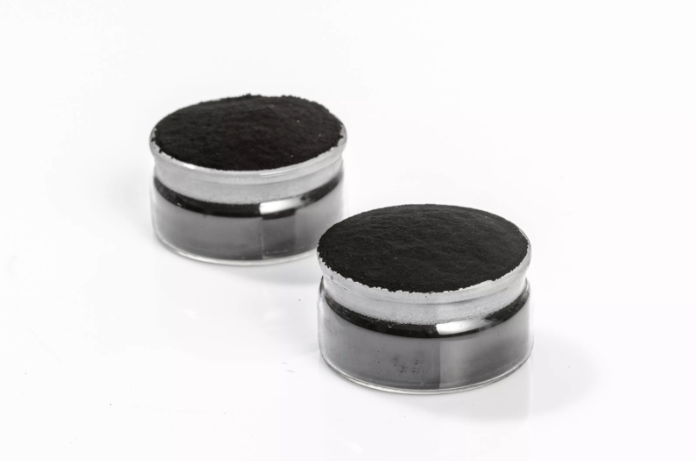
Many honeycomb activated carbon filters are made from renewable materials, such as coconut shells. This makes them an eco-friendly option for air purification systems. By using sustainable resources, honeycomb activated carbon reduces the environmental impact compared to non-renewable alternatives. Opting for filters made from coconut shell or other renewable materials contributes to sustainability and reduces the carbon footprint of your air purification system.
Honeycomb activated carbon can be recycled and reused in certain conditions, contributing to its sustainability. After use, the carbon can be regenerated through processes like heating or chemical treatments to restore its adsorption capacity. This recycling process makes honeycomb activated carbon a highly sustainable option for long-term air filtration needs.
By enhancing airflow and reducing resistance, honeycomb activated carbon helps air filtration systems operate more efficiently. This reduces the overall energy consumption of the system, making it a cost-effective solution for long-term air purification needs. When selecting an air filtration system, consider the long-term energy savings provided by honeycomb activated carbon filters. Their high efficiency can lead to significant reductions in energy costs.
Honeycomb activated carbon is a highly effective material for air filtration, offering superior adsorption capabilities, low air resistance, and long-lasting performance. Its wide range of applications in residential, industrial, and specialized environments makes it an essential component of any air purification system. By selecting the right filter, maintaining it properly, and considering its environmental benefits, you can ensure that your air quality remains clean and safe. Honeycomb activated carbon is known for its durability, efficiency, and environmental sustainability, making it an excellent choice for continuous air purification.
Jiangsu PURESTAR Environmental Protection Technology Co., Ltd. offers honeycomb activated carbon products that help industries achieve cleaner air with enhanced filtration. Their products are designed to provide high efficiency while contributing to sustainable environmental practices.
A: Honeycomb activated carbon is a highly porous material used in air filtration systems. Its honeycomb structure allows for high surface area, enabling it to adsorb gases, odors, and harmful chemicals effectively.
A: Honeycomb activated carbon improves air quality by adsorbing pollutants such as volatile organic compounds (VOCs), odors, and chemicals, trapping them on its surface. This makes the air cleaner and healthier.
A: Honeycomb activated carbon offers better airflow and efficiency in high-demand applications. Unlike granular activated carbon, it has a low air resistance, making it ideal for systems requiring high filtration without sacrificing performance.
A: Select a honeycomb activated carbon filter based on your system's airflow needs. Pore size, typically 100cpsi to 200cpsi, determines the filter's ability to capture contaminants while maintaining airflow efficiency.
A: The lifespan of honeycomb activated carbon depends on factors such as pollutant levels and usage frequency. On average, it lasts 6-12 months but may need replacement sooner in high-pollution environments.


