
Views: 0 Author: Site Editor Publish Time: 2025-08-01 Origin: Site


What is coal activated carbon (CAC), and why is it so essential? From water filtration to gas purification, CAC plays a critical role in industries worldwide. Its unique ability to adsorb impurities makes it invaluable for various applications.
In this article, we’ll explain what coal activated carbon is, how it’s produced, and the key factors affecting its quality. You’ll also discover the wide range of industries relying on CAC and how it’s made using both physical and chemical activation processes.
Read on to learn how this powerful material is created and why it’s indispensable in today’s world.
Coal activated carbon (CAC) is a highly porous material derived from coal. Its unique structure gives it an exceptionally high surface area, making it perfect for adsorption. This porous network allows CAC to capture a wide range of impurities, gases, and chemicals. It’s commonly used for its ability to filter and purify substances, which is why it’s indispensable across many industries.
The high porosity and surface area of CAC are crucial for its adsorptive capabilities. These properties make it much more efficient than other types of activated carbon, allowing it to remove contaminants from air, water, and various chemical processes.
Coal activated carbon is widely used in water treatment. Its porous structure effectively captures harmful substances like chlorine, volatile organic compounds (VOCs), and other contaminants, making it essential for both drinking and wastewater treatment.
In air filtration systems, CAC adsorbs pollutants, such as smoke, toxins, and odors. It’s often used in commercial air purifiers and automotive air filters, improving air quality and helping to reduce pollution.
CAC is crucial in industrial settings for filtering gases and chemicals. It’s employed in the removal of hazardous gases, including hydrogen sulfide and volatile organic compounds (VOCs), from industrial emissions.
In the mining industry, coal activated carbon is used to recover precious metals like gold and silver from ore. Its high surface area enables it to efficiently absorb these metals during the leaching process.
CAC plays a significant role in reducing harmful emissions in the automotive industry. It’s used in catalytic converters and exhaust systems to filter out harmful gases like carbon monoxide, hydrocarbons, and nitrogen oxides, ensuring cleaner air and reducing the environmental impact of vehicles.
Coal activated carbon (CAC) is produced from bituminous or sub-bituminous coal. The process begins by heating coal to high temperatures to create a material with a vast network of pores. These pores increase the surface area of the carbon, enabling it to adsorb contaminants efficiently. The production process primarily involves two methods: physical and chemical activation.
Coal as the Primary Raw Material
Coal is the ideal raw material for CAC production due to its high carbon content and natural porous structure. It's available globally and is the most cost-effective option for activated carbon.
Activation Process: Physical vs Chemical Methods
In the physical activation process, coal is heated in the presence of gases like steam or CO2. Chemical activation, on the other hand, involves mixing coal with a chemical agent before heating it to higher temperatures.
The first stage of the process is carbonization. In this step, coal is heated in an inert atmosphere (usually with no oxygen) at temperatures between 400°C to 600°C. This removes volatile substances like water, methane, and tar, leaving behind a carbon-rich material called char.
Next, the char undergoes activation, which is the most critical step in creating CAC. This is done by heating the char further in the presence of an activating agent like steam (physical activation) or chemical agents like potassium hydroxide (KOH) or phosphoric acid (H3PO4). The high temperature opens up additional pores in the char, significantly increasing its surface area.
After activation, the carbon must cool. The final product is then processed, which involves reducing its size to meet the required specifications. At this stage, the activated carbon is also tested for quality by measuring its iodine number, surface area, and other adsorption properties.
Physical Activation: This method uses gases like steam or CO2 to increase the carbon's surface area and porosity. It results in activated carbon with a well-developed macroporous structure.
Chemical Activation: Involves the use of chemical agents, such as KOH or NaOH, which enhance the formation of micropores. This process generally produces activated carbon with a higher surface area but lower yield.
KOH: Potassium hydroxide is often used for chemical activation. It helps produce a high surface area and increases microporosity.
NaOH: Sodium hydroxide is another common agent used, which results in a similar structure but with different properties than KOH-activated carbon.
H3PO4: Phosphoric acid is less commonly used but can be beneficial for producing activated carbon with specific characteristics.
Temperature plays a crucial role in the activation process. Physical activation typically occurs between 850°C and 1100°C, while chemical activation happens at slightly lower temperatures, around 500°C to 600°C. The higher the temperature, the greater the development of pores in the carbon structure, resulting in higher adsorption capacity.
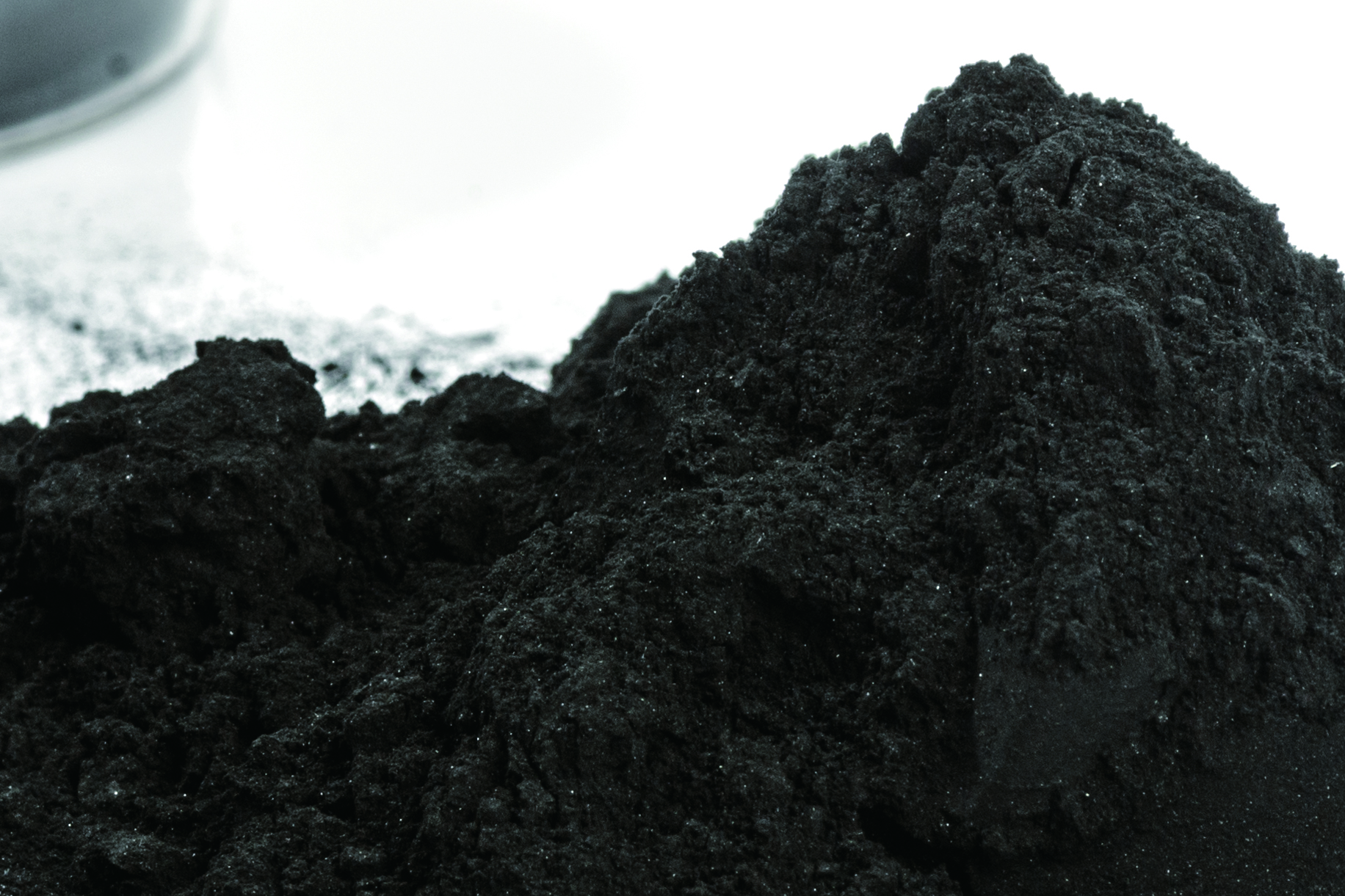
Bituminous coal is the most popular type used in the production of coal activated carbon. Its widespread use is due to its ideal carbon content and relatively low ash levels. Bituminous coal has the right combination of properties to produce activated carbon with high adsorptive capacity, making it a preferred choice for industrial applications.
Benefits:
High carbon content results in high-quality activated carbon
Low ash content leads to better adsorption performance
Limitations:
Higher cost compared to sub-bituminous and lignite coals
Not as reactive as lower-ranked coals
Sub-bituminous coal is another common raw material for activated carbon production. It is highly suitable for creating high-porosity coal activated carbon. This type of coal has a lower carbon content than bituminous coal, but it is more cost-effective and still produces efficient activated carbon.
Suitable for High-Porosity AC Production: Sub-bituminous coal is excellent for creating activated carbon with larger pores, making it ideal for applications like air purification.
Quality Differences: Compared to bituminous coal, sub-bituminous coal typically yields a lower surface area for the activated carbon, but it is more affordable.
Lignite, often referred to as brown coal, is a lower-ranked coal with the highest moisture content. While lignite is less commonly used for activated carbon production, it has certain advantages. Lignite coal has high reactivity, making it suitable for cost-effective activated carbon production.
Cost-Effective AC Production: Due to its low cost, lignite is a cheaper option for large-scale production of activated carbon.
Potential for High Reactivity: Its high reactivity makes it easy to activate, although the final product may have a lower adsorption capacity compared to bituminous coal.
Anthracite is the highest-ranked coal, known for its dense structure and low porosity. While anthracite coal has the highest carbon content, it is less commonly used for activated carbon production due to its lower reactivity.
Less Commonly Used: Anthracite's lower reactivity means it is more difficult to activate compared to other coals, resulting in lower adsorption properties.
Higher Carbon Content: While it provides a high-carbon product, the lower reactivity limits its use in applications requiring high-porosity activated carbon.
Coal rank plays a crucial role in the production of coal activated carbon. The rank of coal determines its carbon content and porosity, which directly affects the quality of the activated carbon produced.
How Coal Rank Affects Porosity: Higher rank coals like bituminous coal have lower porosity compared to lower rank coals, such as lignite. Lower rank coals are more reactive, creating more surface area and better adsorptive properties.
Surface Area and Iodine Number: The surface area of activated carbon, measured by the iodine number, increases with lower rank coals. Lower rank coals tend to produce activated carbon with higher surface areas and better adsorption capabilities.
The temperature during activation significantly affects the surface area and pore structure of coal activated carbon.
Importance of Temperature Control: Higher activation temperatures result in greater porosity and surface area, enhancing the adsorption properties of coal activated carbon. However, too high a temperature can lead to the collapse of the porous structure, reducing the overall effectiveness of the activated carbon.
The size of the coal particles used in the activation process also influences the final quality of coal activated carbon.
Influence on Activation: Smaller coal particles have a higher surface area-to-volume ratio, which allows for quicker activation. However, larger particles tend to activate slower and may lead to uneven activation. The particle size impacts the efficiency and yield of the activated carbon produced.
In chemical activation, the use of chemical agents such as KOH (potassium hydroxide), NaOH (sodium hydroxide), and others plays an essential role in improving the quality of coal activated carbon.
Role of KOH, NaOH, and Other Agents: These chemicals help break down the coal's structure, opening up more pores and increasing the surface area. The choice of agent determines the type of pores formed, with KOH typically producing a more mesoporous structure.
The ash content in coal significantly impacts the yield and efficiency of activated carbon production.
Impact on AC Yield and Efficiency: Higher ash content in coal can reduce the overall yield of activated carbon. Ash also contributes to the carbon’s lower reactivity, making it harder to achieve the desired surface area. Low ash content is preferred for better quality and more efficient production of coal activated carbon.
One of the most important properties of coal activated carbon (CAC) is its surface area and porosity. These factors directly affect how well it can adsorb impurities.
Micropores, Mesopores, and Macropores: Coal activated carbon contains three types of pores:
Micropores: Smaller pores that capture small molecules.
Mesopores: Medium-sized pores for medium-sized molecules.
Macropores: Larger pores that allow large molecules to pass through.
How Surface Area Affects Adsorption: The greater the surface area of the CAC, the better its adsorption capabilities. The more pores available, the more contaminants it can capture, making surface area a critical factor for high-performance applications.
The iodine number is a key measure of coal activated carbon’s quality. It represents the amount of iodine (in milligrams) that 1 gram of activated carbon can adsorb.
Importance of Iodine Number: A higher iodine number indicates a higher surface area and greater adsorption capacity. It’s an essential parameter used to assess the efficiency of activated carbon, especially for applications like water purification and air filtration.
Hardness and abrasion resistance are crucial for the longevity and effectiveness of coal activated carbon in various applications.
Essential for Longevity and Efficiency: CAC with high hardness and abrasion resistance can withstand physical wear during use, especially in processes involving constant flow or movement, such as in filtration systems. This ensures that the activated carbon maintains its effectiveness over time without breaking down or losing surface area.
Moisture and ash content are important quality indicators for coal activated carbon.
Acceptable Levels of Moisture and Ash:
Moisture: Excess moisture can reduce the efficiency of CAC, as it lowers its adsorption capacity.
Ash Content: High ash content decreases the activated carbon’s effectiveness and can lead to impurities in the treated water or air. The lower the ash content, the better the quality and efficiency of the coal activated carbon.
Coal activated carbon (CAC) plays a crucial role in water treatment by removing contaminants and impurities from both drinking water and wastewater.
Removal of Contaminants, Impurities, and Organic Compounds: CAC’s high surface area allows it to capture a wide range of harmful substances, including chlorine, heavy metals, and volatile organic compounds (VOCs). This makes it an essential part of water purification systems.
Use in Wastewater Treatment: In wastewater treatment, CAC is used to filter out pollutants, helping to ensure that water is safe to release back into the environment or to be reused.
CAC is also highly effective in air purification, where it captures harmful substances that can affect both human health and the environment.
Capturing Toxins, Odors, and Gases: CAC filters air by trapping gases, odors, and toxins, making it indispensable in commercial air purification systems, such as those used in homes, offices, and factories.
Role in Automotive Emissions Control: In the automotive industry, coal activated carbon is used to reduce harmful vehicle emissions. It filters out pollutants like hydrocarbons and carbon monoxide, contributing to cleaner air and reduced environmental impact.
In the mining industry, coal activated carbon is essential for recovering precious metals like gold and silver.
Using Coal AC in the Mining Industry: During the gold and silver extraction process, CAC is used to capture these metals from cyanide solutions. Its high adsorption capacity makes it an effective material for recovering valuable metals in the mining industry.
Coal activated carbon is widely used in industrial gas purification systems to ensure that harmful gases are effectively removed.
Use in Industrial Gas Purification Systems: CAC filters gases such as hydrogen sulfide, ammonia, and volatile organic compounds, which can be harmful to both people and the environment.
Removing Toxic Gases and Volatile Organic Compounds: It is commonly used in industrial settings to eliminate toxic chemicals, making it essential in various processes, from chemical manufacturing to oil and gas operations.
In the food and beverage industry, coal activated carbon helps purify consumable products, ensuring they meet safety standards.
Role in Purifying Edible Oils, Honey, and Other Consumables: CAC is used to remove impurities and odors from products like edible oils, honey, fruit juices, and more. Its ability to purify and decolorize these substances is crucial for maintaining high-quality standards in food production.
While coal activated carbon (CAC) plays a significant role in various industries, its production can raise environmental concerns.
Mining and Coal Extraction Concerns: Coal mining itself can have a significant environmental impact, including deforestation, habitat destruction, and pollution. Extracting coal for activated carbon production contributes to these environmental issues, leading to a greater focus on finding sustainable alternatives.
Emissions During the Activation Process: The activation process, especially when using physical activation with gases like CO2 or steam, can produce emissions. These emissions, if not controlled, contribute to air pollution and climate change. This is an area where improvements are needed to make coal-based CAC more environmentally friendly.
To reduce the environmental impact, there is increasing interest in using sustainable materials for activated carbon production.
Potential for Using Renewable Materials Like Biomass: Biomass and other renewable sources, such as agricultural waste, offer a more sustainable alternative to traditional coal. These materials can be used to produce activated carbon with similar or even superior adsorption properties, reducing the reliance on coal.
Advancements in Using Low-Rank and Waste Coals: Recent innovations have led to the use of low-rank coals and waste coals for activated carbon production. These coals are more abundant and less expensive than traditional bituminous coal, providing a more sustainable solution for large-scale production.
Efforts are underway to reduce carbon waste and minimize the environmental footprint of activated carbon production.
Green Technologies for Minimizing Environmental Footprint: New green technologies are being developed to reduce emissions during the activation process. These technologies aim to recycle heat and gases, improve energy efficiency, and lower the overall environmental impact of coal-based AC production. This includes the use of more energy-efficient furnaces and systems that capture and reuse emissions.
While coal activated carbon (CAC) is widely used, there are several effective alternatives that offer unique benefits.
Coconut shell activated carbon is derived from the shells of coconuts. It’s known for its high adsorption capacity, especially in purifying gases and liquids.
Advantages:
Higher surface area and microporosity compared to coal-based AC.
Ideal for applications like air and water purification.
Renewable and sustainable as it comes from agricultural waste.
Disadvantages:
Typically more expensive than coal-based AC due to higher raw material costs.
Limited availability compared to coal, making it less suitable for large-scale production.
Comparison with Coal AC: While both coconut shell and coal-based AC are effective for adsorption, coconut shell AC tends to have higher adsorption capacity for smaller molecules, but it comes at a higher price.
Wood-based activated carbon is another common alternative, made from hardwood or softwood materials.
Performance and Environmental Factors: Wood-based AC offers good performance for water and air filtration. It also has a lower environmental impact than coal-based AC, as wood is a renewable resource. However, its adsorption capacity is generally lower than coal and coconut shell AC, making it less suitable for some industrial applications.
Biomass, including agricultural waste like rice husks, sawdust, and corncobs, is increasingly used to produce activated carbon.
How Agricultural Waste Can Be Converted into Activated Carbon: These materials can be processed using similar methods to coal-based AC production, either through physical or chemical activation. The advantage of using agricultural waste is that it provides a sustainable, low-cost alternative. It also helps reduce waste in agricultural industries, turning it into a valuable resource for purification and filtration systems.
Coal activated carbon (CAC) is widely used due to its numerous benefits, particularly in industrial applications.
Cost-Effectiveness: One of the main advantages of coal-based AC is its lower cost compared to alternatives like coconut shell or wood-based activated carbon. Coal is readily available, making it an economical choice for large-scale production.
High Adsorption Capacity: CAC has excellent adsorption properties due to its high surface area and porosity. This makes it ideal for purifying air, water, and gases, as well as recovering valuable metals like gold and silver.
Availability of Raw Material: Coal is abundant and easily sourced in many parts of the world, ensuring a steady supply of raw material for activated carbon production.
While coal activated carbon offers many advantages, there are some drawbacks to its production and use.
Environmental Concerns in Production: Coal mining and the activation process can have a significant environmental impact, including habitat destruction, pollution, and high carbon emissions. These concerns are driving the search for more sustainable alternatives.
Limited Sustainability Compared to Renewable Alternatives: Coal-based AC is less sustainable than alternatives like biomass or coconut shell-based activated carbon. As coal is a non-renewable resource, its use raises questions about long-term environmental sustainability.
The production of coal activated carbon (CAC) faces several environmental and regulatory hurdles that can impact its sustainability.
Restrictions on Coal Use in Certain Regions Due to Pollution Concerns: In some regions, coal mining and its associated environmental impact are heavily regulated or restricted due to concerns over air and water pollution. This limits the availability of coal for activated carbon production in these areas.
Meeting Environmental Regulations for AC Production: The activation process itself can result in emissions that contribute to pollution. Companies must comply with strict environmental regulations to minimize these emissions, which can add to the production costs and complexity.
Coal activated carbon production also encounters various economic challenges that affect its efficiency and cost-effectiveness.
Balancing Cost with Production Quality: Maintaining high-quality coal activated carbon while keeping production costs low is a significant challenge. Higher-quality CAC often requires better raw materials and more sophisticated activation processes, which can drive up costs.
Demand Fluctuations in the Global Market: The demand for coal activated carbon can fluctuate due to changes in industry needs, market conditions, and competition from alternative materials. These fluctuations can lead to instability in pricing and production planning.
As the demand for coal activated carbon (CAC) continues to grow, several trends are shaping the future of its production.
Innovations in Production Processes: New technologies are being developed to improve the efficiency and sustainability of CAC production. These innovations include more energy-efficient activation methods and better waste management practices, which reduce the environmental impact.
Shift Towards Sustainable and Greener Alternatives: While coal remains a primary source for activated carbon, there is a noticeable shift toward using renewable materials like biomass, coconut shells, and agricultural waste. This transition is driven by the need for more sustainable production methods and a reduced environmental footprint.
The global demand for coal activated carbon is expected to rise, driven by its vital role in numerous industries.
The Increasing Need for High-Quality AC in Various Industries: Industries such as water treatment, air purification, and gas filtration are increasingly relying on high-quality CAC. As environmental concerns grow, the need for effective filtration and purification methods will only intensify.
How Regulations and Sustainability Efforts Shape the Future of Coal-Based AC: Stringent environmental regulations and growing sustainability efforts are pushing the activated carbon industry toward greener solutions. These regulations are likely to influence both the production methods and market dynamics of coal-based AC in the future.
Coal activated carbon plays a crucial role in industries such as water treatment, air purification, and gas filtration. Its high surface area and adsorptive properties make it indispensable in removing contaminants and improving air and water quality.
Understanding the production process of coal activated carbon helps industries optimize its use. From the activation methods to the raw materials, knowing these factors ensures better performance in various applications.
For those seeking high-quality activated carbon, Purestar offers premium coal activated carbon products that meet the highest standards of performance and sustainability. Choose Purestar for reliable and efficient filtration solutions.
A: Coal activated carbon is a highly porous material made from coal, used for adsorption of impurities. Its surface area allows it to capture contaminants from air, water, and gases, making it crucial for filtration and purification processes.
A: Coal activated carbon is produced by heating coal in a controlled environment. The process involves carbonization to remove volatile substances, followed by activation at high temperatures using steam or chemicals. This creates a material with a large surface area, ideal for adsorption.
A: Coal activated carbon is used in water purification, air filtration, gas purification, and precious metal recovery. Its adsorptive properties make it effective in capturing toxins, odors, and harmful chemicals.


