
Views: 0 Author: Site Editor Publish Time: 2025-12-12 Origin: Site


Activated carbon is essential for effective filtration, but not all forms are created equal.
In this article, we’ll compare honeycomb activated carbon and pellet activated carbon, two popular forms used in various applications. By the end, you’ll understand their key differences and be equipped to choose the right one for your filtration needs. You’ll learn about their performance, structure, and which format suits your system best.
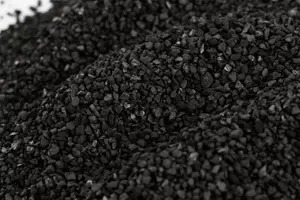
Activated carbon is a porous material known for its ability to adsorb impurities and contaminants. The key to its effectiveness lies in its surface area. Through a process known as activation, carbon is treated to increase its surface area, creating millions of tiny pores that trap and hold particles, gases, and liquids.
The adsorption process occurs when particles from air, water, or gases bind to the surface of the activated carbon, effectively removing them from the environment. This property makes activated carbon ideal for applications in air and water filtration, industrial processes, and even personal protective equipment. The enhanced surface area and pore structure are essential, as they maximize the carbon’s contact with contaminants, thus improving efficiency.
There are various forms of activated carbon, with the most common being:
Pellet Activated Carbon: Shaped like small cylinders, pellet activated carbon is compact and easy to handle. Its high surface area and rapid adsorption make it effective for certain filtration needs. The cylindrical shape also allows it to be packed tightly, providing high filtration efficiency in a small space.
Honeycomb Activated Carbon: This form is molded into a honeycomb shape, allowing for optimized airflow and efficient filtration. It is particularly useful in large-scale applications like industrial air purifiers. The open channels within the honeycomb structure ensure that air or water passes through easily while maintaining effective contact time with the carbon.
The choice between honeycomb and pellet activated carbon depends on factors like the specific contaminants being filtered, airflow requirements, and system size. Each type offers distinct advantages in different applications, so understanding these properties can guide you toward the right choice for your needs.
To help clarify the key differences, here’s a comparison of honeycomb and pellet activated carbon based on their main features:
| Feature | Honeycomb Activated Carbon | Pellet Activated Carbon |
|---|---|---|
| Shape | Lattice, honeycomb-like channels | Small cylindrical pellets |
| Flow Efficiency | High due to open channels | Lower flow efficiency |
| Adsorption Speed | Slower, longer contact time | Faster, quicker adsorption |
| Ideal for | Large-scale systems, high-flow | Small-scale systems, compact |
| Applications | Industrial air filtration, automotive | Residential water filters, small-scale air purification |
| Pressure Drop | Low | High |
Activated carbon is essential in filtration because of its unparalleled ability to remove a wide range of impurities. Whether you're filtering air in a large industrial system or purifying water in a home filter, activated carbon provides an efficient and sustainable solution. The key to its success lies in its surface area and pore structure, which directly affect the material’s adsorption capabilities. In filtration systems, activated carbon can remove a variety of contaminants, including volatile organic compounds (VOCs), odors, chlorine, and other pollutants. By improving the overall air or water quality, it ensures that systems run efficiently while contributing to health and safety standards.
Honeycomb activated carbon is extruded or molded into a honeycomb-like lattice structure. This design features open channels that allow air or water to pass through with minimal resistance. These channels increase the contact time between the contaminants and the carbon surface, resulting in more effective filtration. The structure is designed to optimize the flow of air or water through the system, reducing pressure drop and increasing system efficiency.
Honeycomb activated carbon is often used in large-scale applications, such as industrial air purifiers and automotive filtration, because of its ability to handle high flow rates with low pressure drop. This makes it particularly effective for systems where maintaining a consistent flow rate and low energy consumption is important. The efficient design allows for high-capacity filtration in environments where large volumes of air or water need to be treated.
Pellet activated carbon is typically formed into small cylindrical shapes. This compact structure is ideal for systems that require high surface area in a small volume. The pellets are packed together to create a dense filtration bed, providing effective adsorption. The shape of the pellets allows them to fit snugly in smaller filtration units, providing a high degree of efficiency in a more compact form.
The smaller size of the pellets allows for quick adsorption but can lead to higher pressure drop compared to honeycomb activated carbon. This form is often used in residential filtration systems, water treatment plants, and other smaller-scale applications. The compact design also makes pellet activated carbon ideal for applications where space is limited but effective filtration is still required.
The structural differences between honeycomb and pellet activated carbon directly impact filtration performance. Honeycomb activated carbon, with its open channels, allows air or water to flow more easily, reducing pressure drop and allowing for higher flow rates. This is ideal for large-scale systems where high-volume filtration is required, and maintaining a low-pressure drop is crucial for overall efficiency. The honeycomb design also contributes to more uniform adsorption, as contaminants are exposed to the carbon surface for a longer period.
Pellet activated carbon, on the other hand, is better suited for applications where space is limited and fast adsorption is needed. However, due to the packing density, it tends to cause higher pressure drops, which may require more energy to maintain airflow. The higher pressure drop can limit the flow rate and efficiency in certain systems, making it less suitable for large-scale applications with high-volume airflow needs.
| Performance Metric | Honeycomb Activated Carbon | Pellet Activated Carbon |
|---|---|---|
| Adsorption Capacity | Better for high-flow systems | Higher surface area for quick adsorption |
| Adsorption Speed | Slower due to pore size | Faster, more immediate |
| Lifespan | Longer, due to larger capacity | Shorter, requires frequent replacement |
| Regeneration Potential | Easier to regenerate | More challenging to regenerate |
| Suitable for | Large-scale industrial systems | Residential and small-scale systems |
When it comes to adsorption capacity, honeycomb and pellet activated carbon perform differently depending on the application. Honeycomb activated carbon is designed for high-flow systems, where efficiency and low pressure drop are more important than sheer surface area. Its unique structure allows for large volumes of air or water to be processed while maintaining high filtration efficiency.
Pellet activated carbon, with its higher surface area per unit volume, is often more effective in applications where contaminants need to be removed quickly, such as water treatment and air filtration in smaller systems. The larger surface area provides more sites for contaminants to adsorb, making it ideal for situations where rapid removal of impurities is required.
Pellet activated carbon generally has faster adsorption speeds because of its high surface area. This makes it more effective in systems where quick removal of contaminants is essential. For example, in water treatment systems or smaller air purifiers, pellet activated carbon can rapidly adsorb contaminants, providing immediate filtration.
Honeycomb activated carbon, while effective, has slightly slower adsorption rates due to its larger pore size and the way the structure interacts with airflow. However, its performance in larger systems compensates for this slower rate. The slower adsorption allows for better handling of high-flow rates and ensures that contaminants are adequately treated over extended periods.
Both honeycomb and pellet activated carbon can be regenerated, but their lifespan and ease of regeneration vary. Honeycomb activated carbon tends to have a longer lifespan in industrial applications because it can handle larger volumes of air or water without becoming saturated quickly. Additionally, the honeycomb structure makes it easier to clean and regenerate, reducing the need for frequent replacements.
Pellet activated carbon, due to its compactness, is ideal for residential systems but may require more frequent regeneration in high-use situations. However, it is easier to replace and handle, making it a better option for small-scale systems. In terms of long-term usage, honeycomb activated carbon generally offers better value for high-capacity applications due to its durability and regenerative capacity.
Honeycomb activated carbon is preferred for large-scale air purification systems due to its ability to process large volumes of air efficiently. Its low pressure drop and high throughput make it ideal for industrial applications, such as air treatment in manufacturing plants or HVAC systems. The efficient design ensures that large-scale filtration systems run smoothly without excessive energy consumption, making it the ideal choice for high-volume air purification.
For smaller-scale water filtration systems, pellet activated carbon is often the better choice. Its compact form allows it to be used in residential filters or small commercial units, where space is limited but adsorption efficiency is still crucial. Pellet activated carbon provides effective filtration in these systems while maintaining a smaller footprint.
Certain applications, such as odor control or volatile organic compound (VOC) removal, may benefit from either honeycomb or pellet activated carbon, depending on the system requirements. Honeycomb carbon is more efficient for high-flow, continuous filtration, while pellet activated carbon is suitable for point-of-use systems that need to handle specific contaminants quickly. Both types have unique properties that can be tailored to specialized filtration needs.
Pellet activated carbon is generally easier to handle and replace, making it ideal for residential and small-scale systems. Its individual pellets are compact and less fragile compared to the larger sheets or blocks of honeycomb activated carbon. This ease of handling makes it an attractive option for homeowners or smaller businesses.
Honeycomb activated carbon requires more careful installation due to its size and the need to maintain airflow channels. However, its efficiency in large systems often justifies this complexity. The careful installation ensures optimal performance in high-flow filtration systems, reducing the need for frequent maintenance.
While honeycomb activated carbon may have a higher upfront cost due to its specialized manufacturing process, it provides better long-term value in industrial systems due to its durability and efficiency in high-volume applications. Its ability to handle large volumes of air or water over time ensures that fewer replacements are needed, reducing overall operational costs.
Pellet activated carbon, with its lower cost and easy handling, offers great value in smaller systems but may need more frequent replacement in the long run. Its affordability makes it a viable option for smaller-scale applications where budget constraints are a concern.
When choosing between honeycomb and pellet activated carbon, consider the specific demands of your system. For high-flow, long-term filtration needs, honeycomb activated carbon may be the best choice. For smaller systems, pellet activated carbon offers a cost-effective, efficient solution that balances performance and price.
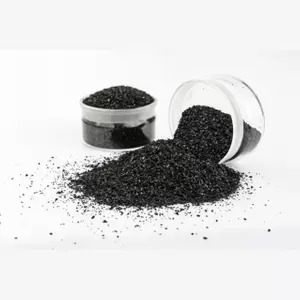
Honeycomb activated carbon has a relatively low environmental footprint due to its efficiency and long lifespan. Its structure allows for more effective regeneration, reducing the need for frequent replacements. By requiring fewer replacements, honeycomb activated carbon minimizes waste and contributes to a more sustainable filtration system.
Here's a comparison of the environmental impact of honeycomb and pellet activated carbon based on key sustainability factors:
| Environmental Factor | Honeycomb Activated Carbon | Pellet Activated Carbon |
|---|---|---|
| Environmental Footprint | Lower due to fewer replacements | Higher due to frequent replacements |
| Regeneration Efficiency | High, reducing waste | Lower, more frequent replacements |
| Sustainability | More sustainable for large-scale | Less sustainable for high-use applications |
| Waste Generation | Less waste produced over time | Higher volume of waste over time |
Pellet activated carbon, while effective, has a slightly higher environmental impact due to more frequent replacements and higher energy costs associated with regeneration. The smaller size and packing density of pellet carbon lead to a higher volume of waste over time, although it still remains a widely used and effective solution for many applications.
Both honeycomb and pellet activated carbon can be part of sustainable filtration systems, but honeycomb carbon’s longer lifespan and higher regeneration potential make it the more environmentally friendly choice for large-scale applications. For smaller systems, pellet activated carbon remains an effective solution, but sustainability considerations should factor into the overall decision-making process.
In conclusion, choosing between honeycomb and pellet activated carbon depends on your system’s requirements. Honeycomb activated carbon is best for large-scale, high-flow applications due to its efficiency and long lifespan. Pellet activated carbon, however, is ideal for smaller systems that require fast adsorption and easy maintenance.
By considering factors like airflow, contaminants, space, and budget, you can select the right activated carbon for your needs. Both forms offer unique advantages for industrial and residential use.
Jiangsu PURESTAR Environmental Protection Technology Co., Ltd. offers high-quality activated carbon solutions. Their products are designed to enhance filtration performance, providing long-lasting and efficient solutions tailored to various applications.
A: Honeycomb activated carbon has a lattice structure with open channels, ideal for high-flow applications, while pellet activated carbon is compact and suitable for smaller systems, offering faster adsorption.
A: Activated carbon adsorbs impurities by trapping particles, gases, and liquids in its pores, improving air and water quality. The larger the surface area, the more contaminants it can absorb.
A: Honeycomb activated carbon is more efficient for large-scale applications due to its lower pressure drop and higher airflow, making it ideal for industrial air filtration systems.
A: Yes, pellet activated carbon is ideal for water filtration due to its quick adsorption capabilities, especially in smaller-scale systems like residential filters.
A: The lifespan of activated carbon depends on the type and usage. Honeycomb activated carbon typically lasts longer due to its efficient regeneration, while pellet activated carbon requires more frequent replacement.
A: Factors like surface area, pore structure, flow rate, and contaminant type impact the efficiency of activated carbon in filtration systems. Honeycomb structures excel in high-flow, while pellets are better for smaller systems.


