
Views: 0 Author: Site Editor Publish Time: 2025-12-22 Origin: Site


Activated carbon plays a vital role in air purification, enhancing air quality by removing pollutants. It's commonly used in both industrial and residential applications to filter out harmful gases, odors, and VOCs.
In this article, we will compare honeycomb activated carbon and pellet activated carbon, discussing their differences, performance, and ideal applications. By the end, you’ll know which type is best suited for your air filtration needs.
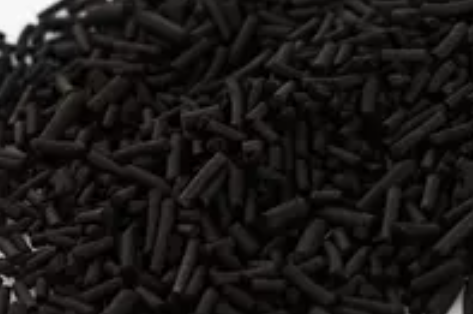
Activated carbon, also known as activated charcoal, is carbon that has been treated to create a highly porous structure. These pores allow it to capture and adsorb a wide range of gases, chemicals, and impurities, making it effective in various filtration applications. It works through a process known as adsorption, where particles stick to the surface of the carbon. Activated carbon can be produced from various sources, including coal, coconut shells, and wood, and is widely used in applications ranging from air purification to water treatment and even in medical and industrial settings.
Activated carbon can be manufactured in several forms, each suited to different applications:
Granular Activated Carbon (GAC): This form is composed of larger particles, typically used in water filtration and other large-scale systems.
Powdered Activated Carbon (PAC): With finer particles, PAC is used in smaller filtration systems or quick, high-efficiency applications, such as air purification in enclosed spaces or industrial processes.
Extruded or Honeycomb Activated Carbon: This is molded into a honeycomb structure, making it ideal for air filtration due to its large surface area and uniform porosity. Its shape allows for the easy passage of air while maximizing contact with the surface of the activated carbon.
The production of activated carbon involves heating the raw material to high temperatures in the presence of steam or activating agents. This process opens up the material’s pores, significantly increasing its surface area and making it ideal for adsorption.
Honeycomb activated carbon is designed in a unique honeycomb shape, creating numerous parallel air channels. This structure maximizes surface area while minimizing air resistance, making it ideal for high-flow applications, such as large industrial air purifiers or exhaust systems. The honeycomb design ensures that air flows efficiently through the material, maintaining high filtration performance without causing significant airflow restrictions.
On the other hand, pellet activated carbon is cylindrical and typically more compact, making it suitable for different applications where space and airflow requirements are less stringent. Its structure, while highly effective, tends to cause more air resistance, which may require additional energy input in high-flow filtration systems.
Below is a comparison table highlighting the key structural and performance differences between honeycomb and pellet activated carbon:
| Feature | Honeycomb Activated Carbon | Pellet Activated Carbon |
|---|---|---|
| Structure | Honeycomb shape with parallel air channels | Cylindrical shape, compact form |
| Airflow Resistance | Low air resistance, ideal for high-flow systems | Higher resistance, requires more energy |
| Surface Area | Larger surface area, enhanced adsorption | Smaller surface area compared to honeycomb |
| Applications | Ideal for gas purification, industrial use | Suitable for smaller applications, water filtration |
| Maintenance | Low maintenance, fewer replacements required | Requires more frequent replacement |
| Efficiency | Highly efficient in high-concentration gases | Less efficient in high-concentration gases |
The key difference between honeycomb and pellet activated carbon lies in their performance. Honeycomb activated carbon has a larger surface area and more efficient pore distribution, making it highly effective at adsorbing gases like VOCs, odors, and other pollutants. It offers better performance in applications where high air flow and consistent filtration are needed.
In comparison, pellet activated carbon requires a higher input to achieve the same effect, which can increase operational complexity. While it is effective in smaller, less demanding applications, in high-concentration environments, honeycomb activated carbon proves more reliable due to its superior design and adsorption efficiency.
Honeycomb activated carbon is ideal for gas purification, such as exhaust gas treatment, where large volumes of air need to be purified efficiently. It’s widely used in industrial applications like power plants, refineries, and air filtration systems for large spaces like warehouses or factories. It’s especially effective in environments where consistent air quality control is required, like clean rooms or controlled environments in hospitals and laboratories.
Pellet activated carbon, while effective, is better suited for applications involving water purification, smaller air purification systems, or specific chemical treatments. It’s commonly found in residential air purifiers, water treatment units, and smaller industrial applications where airflow demands are lower.
Adsorption capacity is the measure of an activated carbon's ability to capture pollutants. This capacity is influenced by factors like surface area, pore size, and material type. Larger surface areas provide more sites for contaminants to attach, improving filtration efficiency. In practical terms, a carbon filter with higher adsorption capacity will be able to clean the air more effectively, removing a greater variety of pollutants with fewer replacements.
In air filtration systems, the greater the adsorption capacity, the more pollutants the system can remove without reducing airflow or requiring frequent replacements. This is particularly important in systems designed to handle large volumes of air or those used in high-pollution environments.
Honeycomb activated carbon is specifically designed to maximize adsorption capacity while maintaining minimal air resistance. The structure of honeycomb activated carbon allows for a larger surface area compared to pellet forms, meaning it can trap more pollutants without clogging or causing excessive pressure drop in air systems. This design ensures that the filtration process is efficient, even in systems with high airflow demands.
Honeycomb activated carbon’s efficiency also means fewer maintenance requirements and lower operational costs, as it can handle more pollutants for longer periods. Its high adsorption efficiency makes it a go-to choice for industrial applications where performance is critical.
Pellet activated carbon, though effective in smaller applications, faces limitations when used in high-flow systems. To maintain high adsorption capacity, large quantities of pellet carbon need to be used, which can result in clogging, reduced airflow, and higher maintenance costs. Pellet carbon also requires more frequent replacement compared to honeycomb activated carbon, increasing operational costs and downtime.
For air filtration systems dealing with high concentrations of pollutants, the use of pellet activated carbon may not be ideal, as its performance can degrade more quickly. In contrast, honeycomb activated carbon maintains its efficiency for longer periods, ensuring consistent performance over time.
Consider using honeycomb activated carbon for air filtration systems that require continuous high flow, such as in industrial or commercial applications. It will save on maintenance costs and downtime.
Honeycomb activated carbon is easy to install and replace. Its modular design allows it to be stacked and replaced efficiently, which is especially useful in systems with high filtration needs. The ease of installation and replacement minimizes system downtime, ensuring that air filtration processes remain uninterrupted. Additionally, the lower air resistance of honeycomb activated carbon helps reduce energy consumption and increase the lifespan of the system.
Honeycomb activated carbon also requires less frequent maintenance, which lowers operational costs over time. In systems with high airflow demands, this type of activated carbon is ideal because it maintains high filtration efficiency without creating excessive wear on the filtration equipment.
Pellet activated carbon often requires more frequent changes due to its susceptibility to clogging in high-flow conditions. This makes it less efficient for large-scale applications or systems requiring minimal downtime. While it's easier to transport and handle in smaller quantities, the complexity of maintenance increases over time due to the need for replacement and the risk of blockages in high-concentration environments.
For air filtration systems in industrial or commercial settings, the need for constant maintenance and replacement of pellet activated carbon can lead to higher operational costs and reduced efficiency. In these cases, honeycomb activated carbon provides a more streamlined solution.
For large-scale air filtration systems, choose honeycomb activatd carbon for better long-term ease of use and lower maintenance. Its design ensures higher efficiency and reduced need for frequent replacements.
Although honeycomb activated carbon comes at a higher initial cost, its superior performance and longer lifespan often result in greater cost savings in the long run. Its higher adsorption capacity means fewer replacements and less frequent maintenance. This makes it a more cost-effective option over time, especially for high-flow applications or industrial filtration systems.
The efficiency of honeycomb activated carbon also contributes to reduced energy consumption, as it doesn’t require as much force to move air through the system. This reduces overall operational costs, making it a smart investment for businesses looking to optimize air filtration while keeping costs low.
Pellet activated carbon may have a lower upfront cost, but its increased maintenance requirements and the need for higher quantities to handle large volumes of air lead to higher overall costs. Over time, these expenses can add up, especially in systems that require constant filtration and frequent changes. Additionally, the increased frequency of replacements means more downtime and operational interruptions, further increasing costs.
When considering cost over time, honeycomb activated carbon offers better value for money, particularly in industrial and commercial applications.
| Aspect | Honeycomb Activated Carbon | Pellet Activated Carbon |
|---|---|---|
| Initial Cost | Higher upfront cost | Lower upfront cost |
| Maintenance Cost | Low maintenance, fewer replacements | Higher maintenance, frequent replacements |
| Energy Consumption | Lower energy consumption due to low airflow resistance | Higher energy consumption due to higher airflow resistance |
| Replacement Frequency | Less frequent, longer lifespan | More frequent replacements required |
| Long-Term Operational Cost | More cost-effective over time | Higher long-term costs due to frequent changes |
| Overall Value | Better value in high-flow or industrial systems | More cost-effective for smaller, low-demand systems |
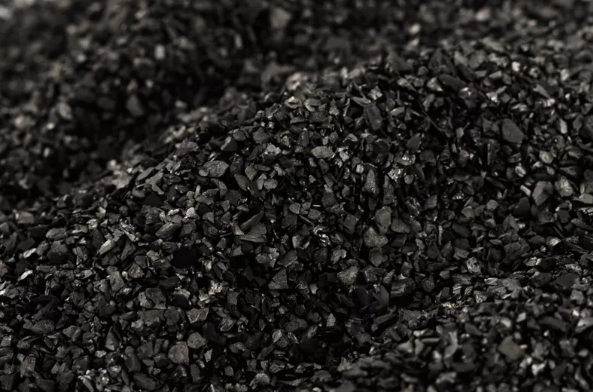
When choosing activated carbon for air purification, consider the specific contaminants you're targeting. Honeycomb activated carbon is ideal for gas-phase filtration, particularly for removing VOCs and odors. It’s highly effective in applications where air circulation and efficiency are important, such as in industrial exhaust systems or large commercial air filters.
Pellet activated carbon is more suitable for applications like water filtration or when dealing with specific chemical contaminants in smaller systems. It’s commonly used in residential air purifiers and smaller industrial applications, where high flow rates aren’t as crucial.
One common misconception is that all activated carbon performs the same. In reality, the structure and surface area of the carbon significantly impact its effectiveness. It’s important to choose the type that matches the specific needs of your air filtration system, considering factors like air flow, contaminants, and maintenance requirements.
Tip: Always match the type of activated carbon with the contaminants in the air. Honeycomb activated carbon excels in gas purification, while pellet carbon is best for specific chemical treatments.
In summary, both honeycomb and pellet activated carbon are effective in air filtration, but honeycomb activated carbon excels in high-efficiency, high-flow applications. Its larger surface area, reduced air resistance, and longer lifespan make it ideal for industrial and commercial use. Pellet activated carbon is still valuable for smaller applications, but for optimal, long-term performance, honeycomb activated carbon is often the superior choice.
Jiangsu PURESTAR Environmental Protection Technology Co., Ltd. provides high-quality activated carbon products that deliver exceptional filtration performance. Their honeycomb activated carbon, designed for maximum efficiency, offers significant value in industrial applications, ensuring long-lasting, cost-effective results.
A: Honeycomb activated carbon has a larger surface area and lower airflow resistance, making it ideal for high-flow applications. Pellet activated carbon is compact and effective in smaller systems, but may require more frequent maintenance.
A: Honeycomb activated carbon offers superior adsorption efficiency due to its larger surface area and longer lifespan, making it the best choice for industrial air filtration systems where high efficiency is critical.
A: Activated carbon adsorbs pollutants by trapping them in its pores, purifying the air by removing VOCs, odors, and other harmful gases. It is widely used in air filters for both residential and industrial purposes.
A: While honeycomb activated carbon has a higher upfront cost, its longer lifespan and lower maintenance needs make it more cost-effective over time, especially for high-flow or industrial applications.
A: Yes, but honeycomb activated carbon is more efficient for gas purification, especially in high-flow systems. Pellet activated carbon is better suited for smaller applications where air flow isn't as critical.


