
Views: 0 Author: Site Editor Publish Time: 2025-12-01 Origin: Site


VOCs are harmful chemicals that often evaporate from common products like paints and solvents. They contribute to air pollution and can cause severe health issues, such as respiratory problems and cancer.
To combat this, industries must find efficient methods to remove VOCs and comply with tightening environmental regulations. Activated carbon, known for its high surface area and adsorption properties, is an effective solution for VOC removal.
In this article, we'll explore how activated carbon works, the factors that influence its efficiency, and how businesses can use this technology to optimize VOC removal and meet regulatory standards.
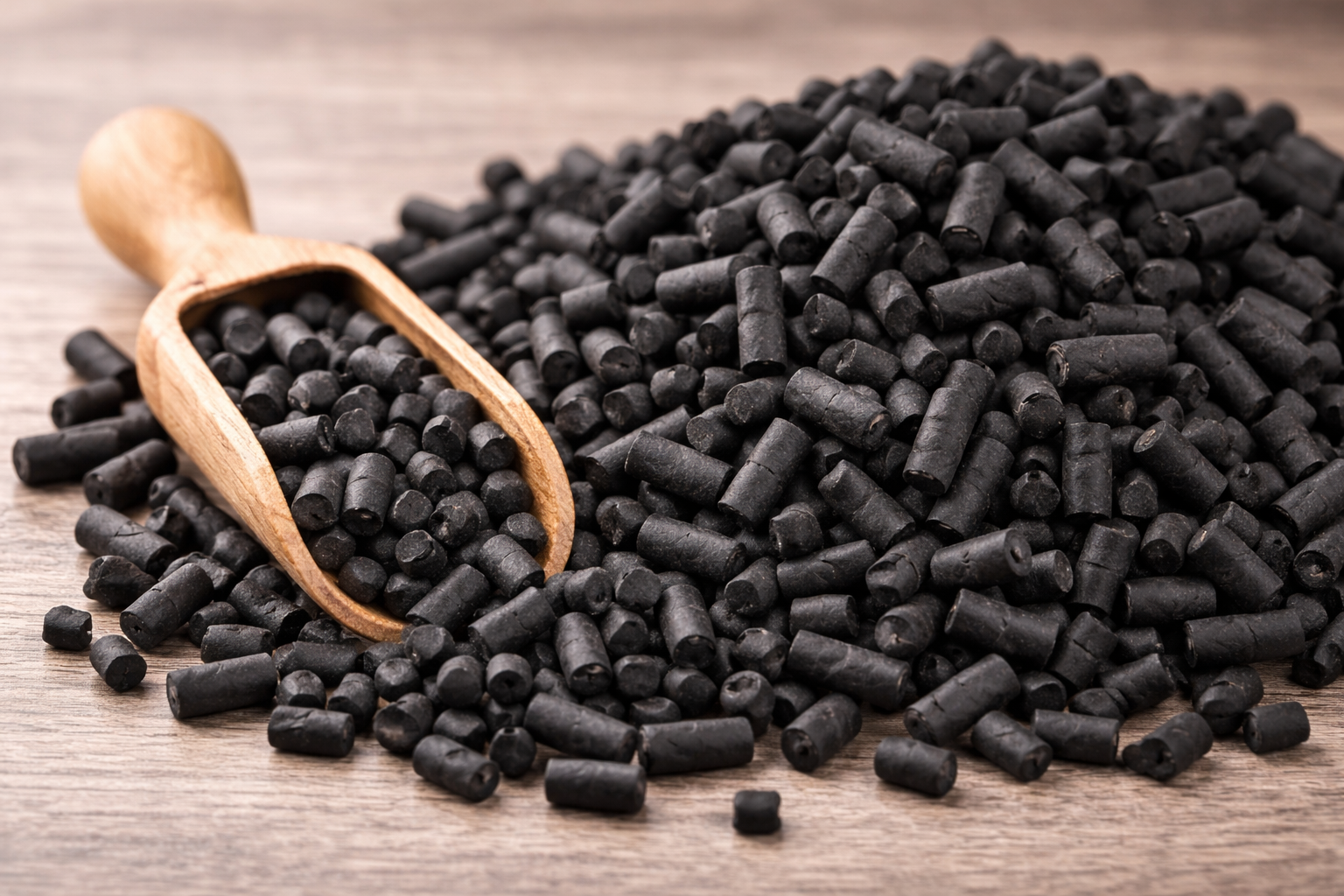
Activated carbon is a highly porous material, typically made from carbon-rich sources like coconut shells, coal, or wood. During its activation process, the material is treated with heat or chemicals to increase its surface area, creating millions of tiny pores that capture contaminants.
This porous structure allows activated carbon to adsorb (not absorb) VOC molecules onto its surface, effectively removing them from gases or liquids. Its large surface area gives it a greater capacity to capture VOCs, making it an ideal solution for industrial purification processes. Activated carbon’s effectiveness increases with its surface area, which can be further enhanced by varying the activation process depending on the intended application.
The process by which activated carbon captures VOCs is called adsorption. Unlike absorption, where molecules are absorbed into a material, adsorption occurs when VOC molecules cling to the surface of the activated carbon. This is a physical process that involves the interaction between the gas molecules and the surface area of the carbon.
Activated carbon’s high surface area provides a large “target” for VOC molecules to stick to, trapping them within its pores. This process can occur physically (due to Van der Waals forces) or chemically (through interactions between the carbon’s surface and the VOC molecules). Both mechanisms contribute to activated carbon’s effectiveness in removing VOCs from the air or water, allowing industries to efficiently address VOC contamination in various settings.
Activated carbon offers several advantages in VOC removal, making it a popular choice in a variety of applications:
High Adsorption Capacity: Its large surface area allows it to capture large quantities of VOCs, which makes it effective in removing pollutants from both air and water.
Wide Application Range: Activated carbon can remove VOCs from both air and water, making it suitable for a range of industries, from manufacturing to food production.
Efficiency: Activated carbon’s rapid adsorption rate ensures quick VOC removal, especially important in high-traffic areas or industrial processes where VOC concentrations can fluctuate dramatically.
For optimal VOC removal, ensure the activated carbon has a high surface area and is specifically designed for the type of VOCs being targeted. This ensures that the material will efficiently trap and remove contaminants. Selecting the appropriate activated carbon material based on the specific application can make a significant difference in the effectiveness of VOC removal.
Different VOCs have distinct molecular properties that influence how well they are adsorbed by activated carbon. For instance, smaller VOC molecules with lower molecular weights tend to be more easily adsorbed, while larger molecules may require activated carbon with a different pore size distribution.
Molecular size plays a critical role in adsorption; smaller molecules, such as methanol and acetone, are more easily captured by micropores in the activated carbon. On the other hand, larger molecules, such as benzene and toluene, may require larger mesopores or macropores to be effectively captured.
Additionally, factors such as polarity and chemical structure affect the interaction between the VOC and the activated carbon surface. It’s important to match the activated carbon's properties with the characteristics of the target VOCs for optimal removal. This will ensure the carbon is efficient in capturing a wide range of VOCs that may be present in the system.
The pore size distribution of activated carbon is critical to its ability to adsorb different types of VOCs. Activated carbon typically has three types of pores:
Micropores (less than 2 nm in diameter): Ideal for adsorbing small molecules, such as formaldehyde and acetone.
Mesopores (2–50 nm): Suitable for medium-sized molecules like toluene or xylene.
Macropores (greater than 50 nm): Effective for larger VOC molecules, such as benzene or styrene.
Choosing the right activated carbon with an appropriate pore structure helps ensure efficient adsorption of specific VOCs. For example, air purification applications that require capturing large VOC molecules would benefit from activated carbon with more mesopores or macropores, while water purification applications focusing on small molecules may benefit from carbon with a higher concentration of micropores.
The efficiency of VOC removal can also be influenced by environmental factors like temperature, humidity, and gas flow rate. For example, high humidity can reduce adsorption efficiency by blocking the pores of activated carbon, while higher temperatures might enhance the adsorption rate for certain VOCs.
Regular monitoring of environmental conditions is essential to ensure optimal performance of your activated carbon system. Adjust factors like temperature and humidity when necessary to maintain high efficiency. Monitoring and maintaining these conditions ensures that your activated carbon system continues to function effectively and consistently.
| Environmental Factor | Impact on Adsorption | Recommended Adjustments |
|---|---|---|
| Temperature | Higher temperatures may enhance adsorption for some VOCs | Maintain within optimal range for targeted VOCs |
| Humidity | High humidity can block pores and reduce efficiency | Use dehumidifiers or choose hydrophobic carbon products |
| Gas Flow Rate | High flow rates reduce contact time and decrease efficiency | Adjust flow rates to ensure optimal contact with activated carbon |
| Pressure | Increased pressure can improve adsorption in certain cases | Monitor and maintain stable pressure levels during operation |
When selecting activated carbon for VOC removal, consider the following:
| Selection Criterion | Importance | VOCs Best Captured |
|---|---|---|
| Iodine Value | Indicates surface area for adsorption, particularly for small VOCs | Methanol, acetone, formaldehyde |
| Carbon Tetrachloride (CTC) Adsorption Value | Measures capacity for adsorbing larger VOCs | Toluene, benzene, xylene |
| Pore Size Distribution | Affects the ability to adsorb different molecular sizes | Small molecules (micropores), large molecules (macropores) |
The iodine value is especially useful when selecting carbon for applications involving small VOCs like methanol or ethanol, while the CTC value is better suited for larger VOC molecules. Ensuring that the carbon’s pore structure matches the size and properties of the VOCs helps guarantee the best possible performance.
Activated carbon comes in various forms and can be tailored for specific industrial applications:
Air Purification: Choose activated carbon with a high CTC value for gas-phase VOCs like toluene or benzene.
Water Treatment: Opt for activated carbon with a high iodine value to remove small organic molecules from water.
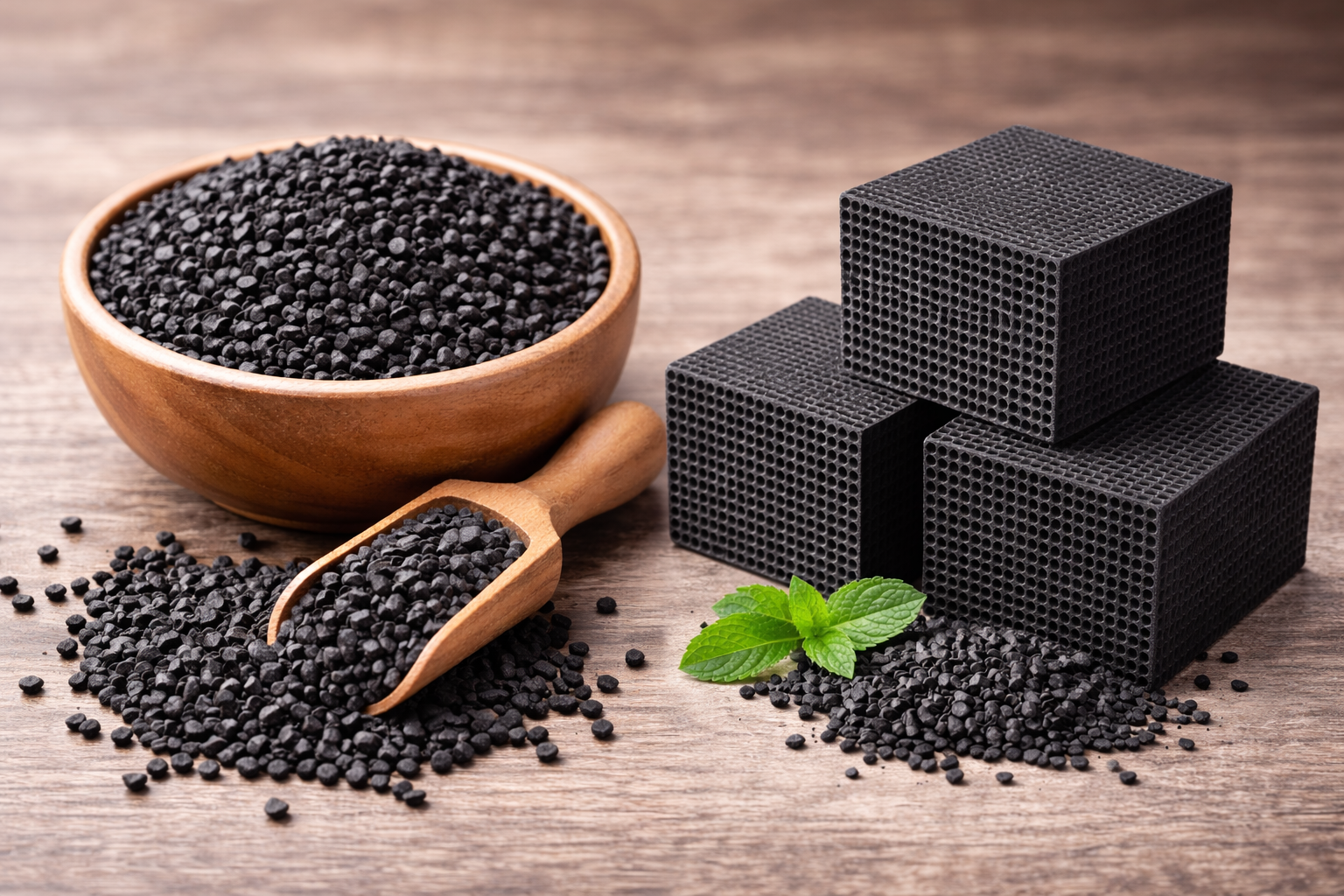
Waste Gas Treatment: For industries like chemical manufacturing, granular or honeycomb activated carbon is ideal for large-scale VOC removal.
Always evaluate the specific VOC types, flow rate, and environmental conditions before choosing an activated carbon product to ensure maximum efficiency. Businesses should work with suppliers to ensure that the chosen activated carbon product is well-suited to their particular application needs.
| Activated Carbon Type | Best For | Key Features |
|---|---|---|
| Granular Activated Carbon (GAC) | Air and water treatment, industrial processes | High surface area, efficient in removing small to medium VOCs |
| Honeycomb Activated Carbon | Large-scale, high-flow VOC removal, air purification | Enhanced gas adsorption, ideal for large VOC molecules |
| Powdered Activated Carbon (PAC) | Water purification, decolorization, chemical processing | Fine particles, fast adsorption rate |
| Extruded Activated Carbon | Air filtration in HVAC systems, industrial gas treatment | Robust structure, ideal for high-flow applications |
Several activated carbon products are known for their efficiency in VOC removal, including:
Granular Activated Carbon (GAC): Commonly used in air and water treatment due to its high adsorption capacity. It is often used in industrial processes, water filtration systems, and air purifiers.
Honeycomb Activated Carbon: Ideal for large-scale, high-flow VOC removal applications, providing enhanced gas adsorption efficiency. This type is commonly used in industries with significant air pollution concerns.
These activated carbon products vary in performance depending on the application, so it is crucial to match the right type with the required performance specifications.
To maximize VOC removal, it is essential to select the right activated carbon based on the type and concentration of VOCs. Additionally, proper system configuration—such as adjusting the flow rate and carbon bed height—can enhance the efficiency of adsorption.
A well-designed system ensures the activated carbon has adequate contact time with the VOC-laden air or water, improving adsorption efficiency and overall performance. With careful planning and system design, the VOC removal process can be optimized for cost-effectiveness and performance.
Optimize your system by adjusting operational conditions such as:
Gas Flow Rate: Higher flow rates may reduce contact time, limiting adsorption. Ensure flow rates are within the optimal range for the selected carbon type to maximize its adsorption potential.
Temperature and Humidity: Fine-tune these factors to ensure they support the carbon’s adsorption capabilities.
By optimizing these variables, you can achieve better results with your activated carbon system, improving the removal efficiency of VOCs and ensuring the system operates at peak performance.
Regeneration allows businesses to reuse activated carbon, extending its lifespan and reducing operational costs. Common regeneration methods include:
| Regeneration Method | Description | Best For | Pros | Cons |
|---|---|---|---|---|
| Thermal Regeneration | Involves heating activated carbon to release adsorbed VOCs | High-flow applications, large-scale systems | Simple process, effective for many VOCs | High energy consumption, potential for carbon degradation |
| Chemical Regeneration | Uses chemicals to desorb VOCs from activated carbon | Specific contaminants that may not be effectively removed thermally | Can handle specific chemical VOCs | Potential for chemical waste and disposal issues |
| Steam Regeneration | Uses steam to regenerate activated carbon | Common in industrial settings with moderate VOC load | Efficient and environmentally friendly | Requires high initial setup cost and steam generation |
Implementing regular regeneration cycles can help maintain activated carbon efficiency, reduce long-term operational costs, and make it a more sustainable solution for VOC removal.
Several factors can cause adsorption efficiency to drop, including:
Over-saturation of the Carbon: If the carbon is saturated, it can no longer adsorb VOCs effectively. Regular monitoring and timely replacement are key to preventing this issue.
Incorrect Environmental Conditions: Excessive heat, humidity, or improper gas flow rates can significantly reduce the efficiency of the activated carbon.
Identifying and addressing these issues quickly will help maintain the performance of your activated carbon system, ensuring that it continues to function effectively and efficiently.
Over time, activated carbon will become saturated with VOCs. To address this issue:
Increase Fill Volume: If VOC concentration increases or flow rates change, consider increasing the carbon bed volume to maintain adsorption capacity.
Monitor Performance: Keep track of pressure drop and VOC concentrations to predict saturation and replace the carbon before it impacts performance.
By staying on top of these changes, you can keep your system running efficiently and prevent any disruptions in VOC removal.
Regular monitoring of pressure drop, VOC concentration, and carbon bed temperature helps prevent saturation. Adopting a maintenance schedule ensures timely replacement, avoiding performance degradation.
Proper maintenance is essential for extending the lifespan of your activated carbon and ensuring continuous, effective VOC removal.
Regulations surrounding VOC emissions are stringent and vary by region. Ensure that your activated carbon system complies with local environmental standards. Many regions mandate specific VOC concentration limits in air and wastewater, and failing to meet these standards can result in penalties.
Understanding these regulations is crucial for businesses looking to avoid compliance issues and ensure their operations meet environmental requirements.
By effectively removing VOCs, businesses can significantly reduce their environmental footprint. Implementing activated carbon systems shows a company’s commitment to sustainability and environmental stewardship, enhancing its reputation and reducing legal liabilities.
Adopting VOC removal technologies like activated carbon can help businesses meet regulatory standards while demonstrating corporate responsibility.
Activated carbon is a highly effective and versatile technology for VOC removal. It efficiently captures a wide range of VOCs and adapts to various industrial applications, making it essential for air and water purification.
As environmental regulations tighten, using activated carbon helps businesses comply while promoting a healthier environment. By choosing the right activated carbon, optimizing performance, and maintaining regular monitoring, businesses can achieve long-term success in VOC management.
Jiangsu PURESTAR Environmental Protection Technology Co., Ltd. offers top-quality activated carbon products. Their products efficiently remove VOCs, providing long-lasting value and enhancing environmental sustainability.
A: Activated carbon is a highly porous material that adsorbs VOC molecules from air or water. Its large surface area allows it to effectively trap VOCs, making it ideal for purification processes.
A: The choice of Activated Carbon depends on the type and concentration of VOCs. Consider factors like iodine value, pore size distribution, and application requirements to ensure optimal adsorption.
A: Activated Carbon's high surface area and porous structure make it ideal for trapping VOCs. It adsorbs VOC molecules through physical and chemical interactions, ensuring efficient removal from air or water.
A: Activated Carbon should be replaced or regenerated regularly based on its saturation level. Monitoring pressure drop and VOC concentrations helps determine the optimal replacement cycle.
A: Yes, Activated Carbon is effective for removing VOCs from both air and water. Its versatility makes it a preferred solution in various industries, including manufacturing and environmental protection.


